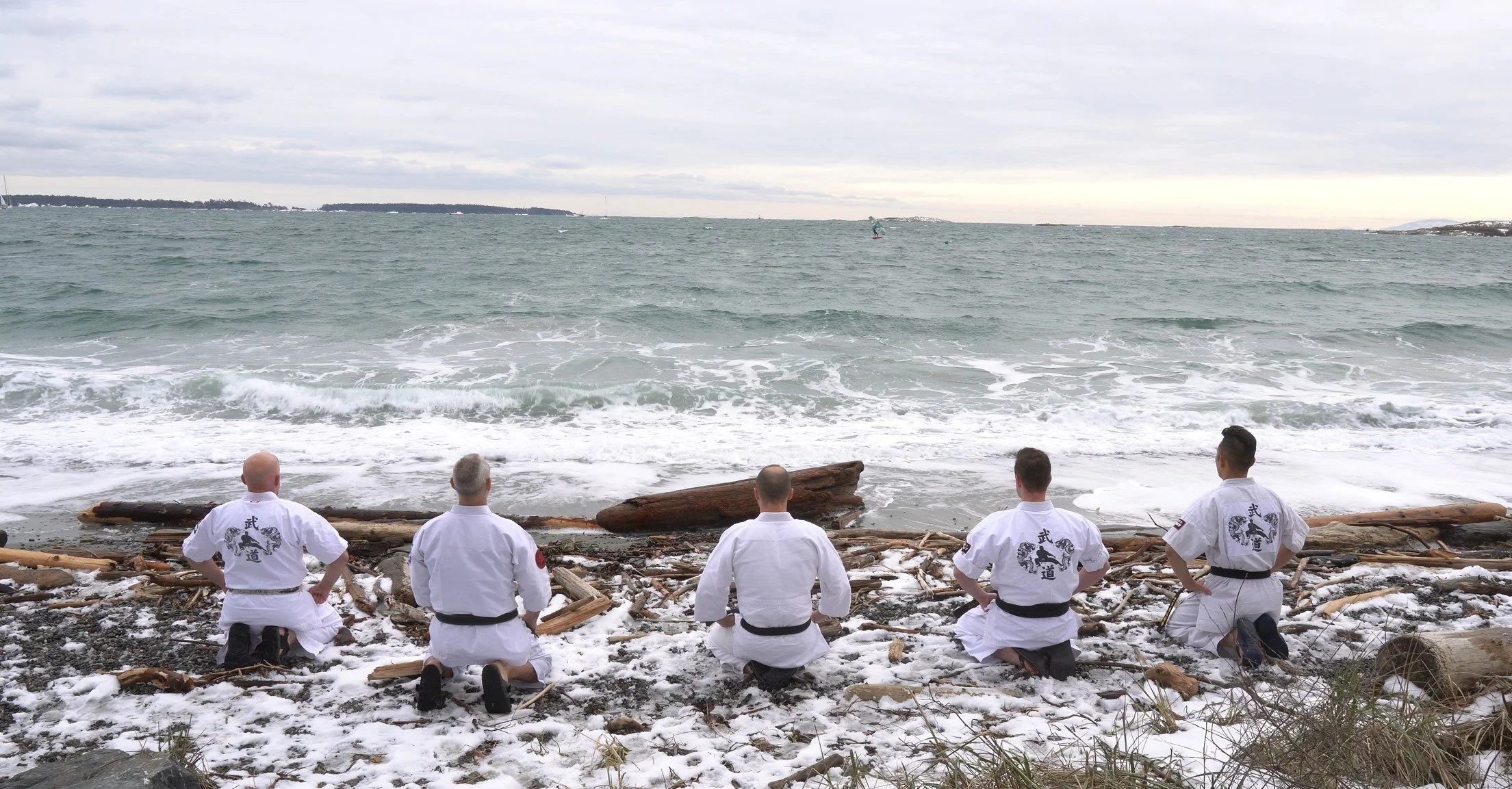
Our Curriculum.
A Comprehensive Training System.
Our students learn a holistic training program that takes traditional karate principals and combines them with modern advances in training techniques utilized by the top dojos in Japan today.
We are certified by authentic, Japanese karate organizations and are connected to dojos and in Osaka, Tokyo and Okinawa, Japan.
Full-Contact Karate
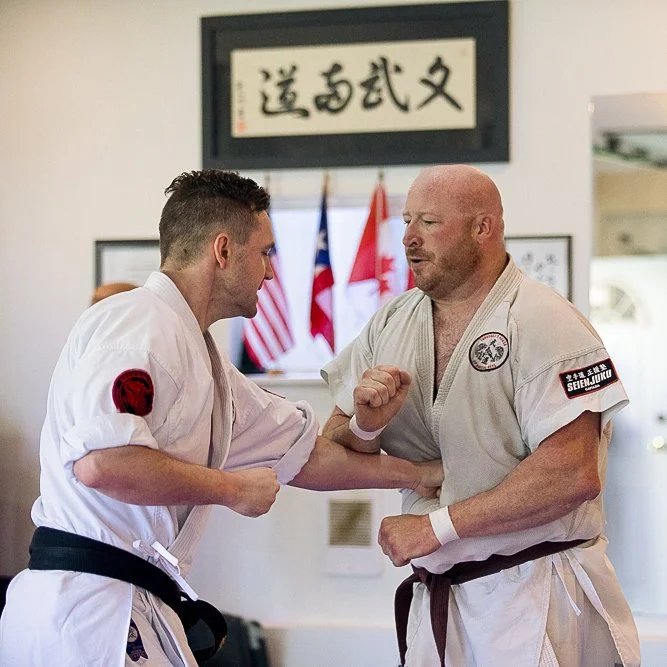
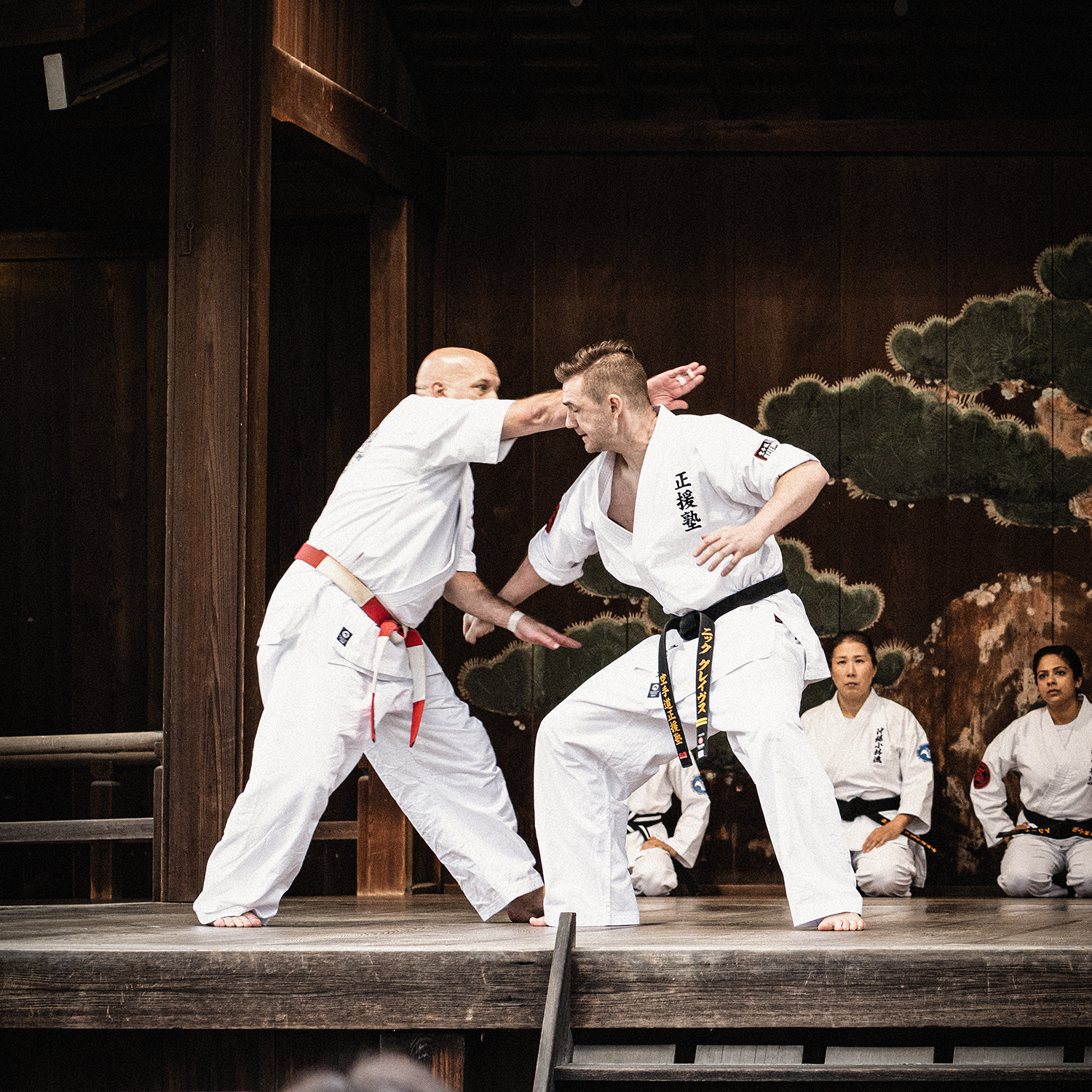
Seienjuku Karate
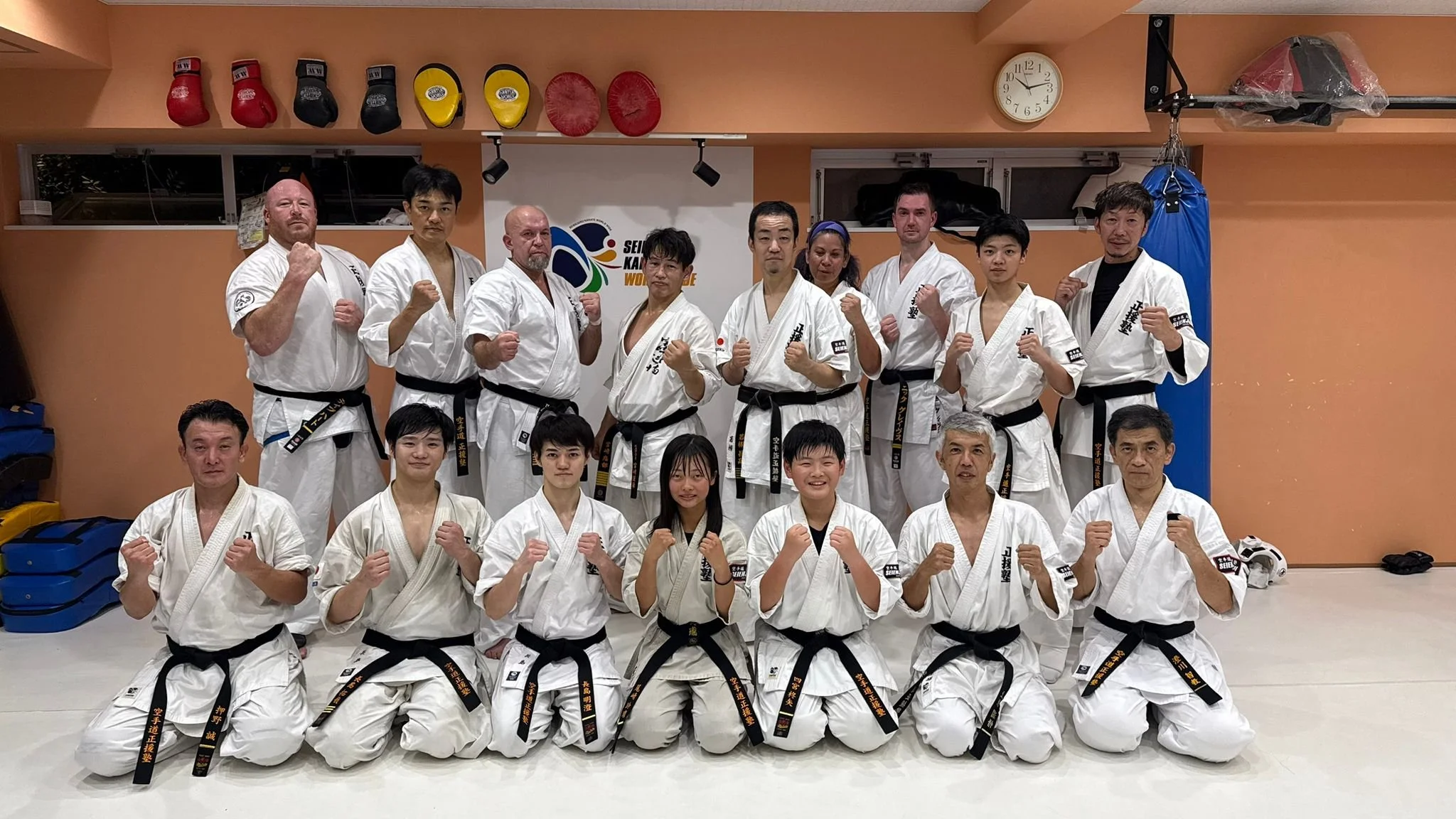
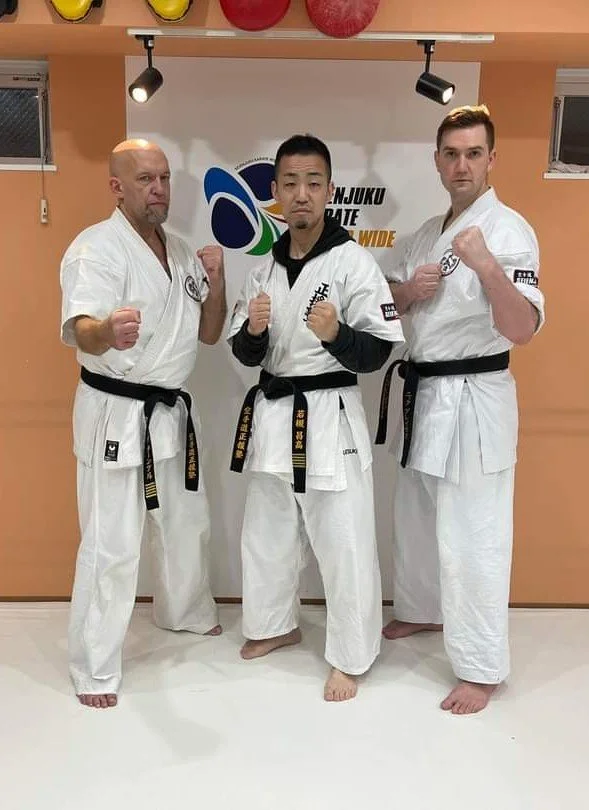
Seienjuku karate descends from Yoshukai karate, a full-contact style known for producing powerful fighters, similar to Kyokushin karate. The lineage passes from founder Soke Katsuo Kamamoto through Shihan Hitoshi Shiozaki to Kaicho Masataka Wakatsuki and Kyoshi Greg Turnbull and Sensei Nick Graves.
Seienjuku karate focuses on modern training drills supporting the high levels of cardio, strength, speed and flexibility required for winning full-contact tournaments in Japan today. Practitioners quickly learn the term “no finish line training” emphasizing the core principal to never leave anything in the tank and always train their hardest!
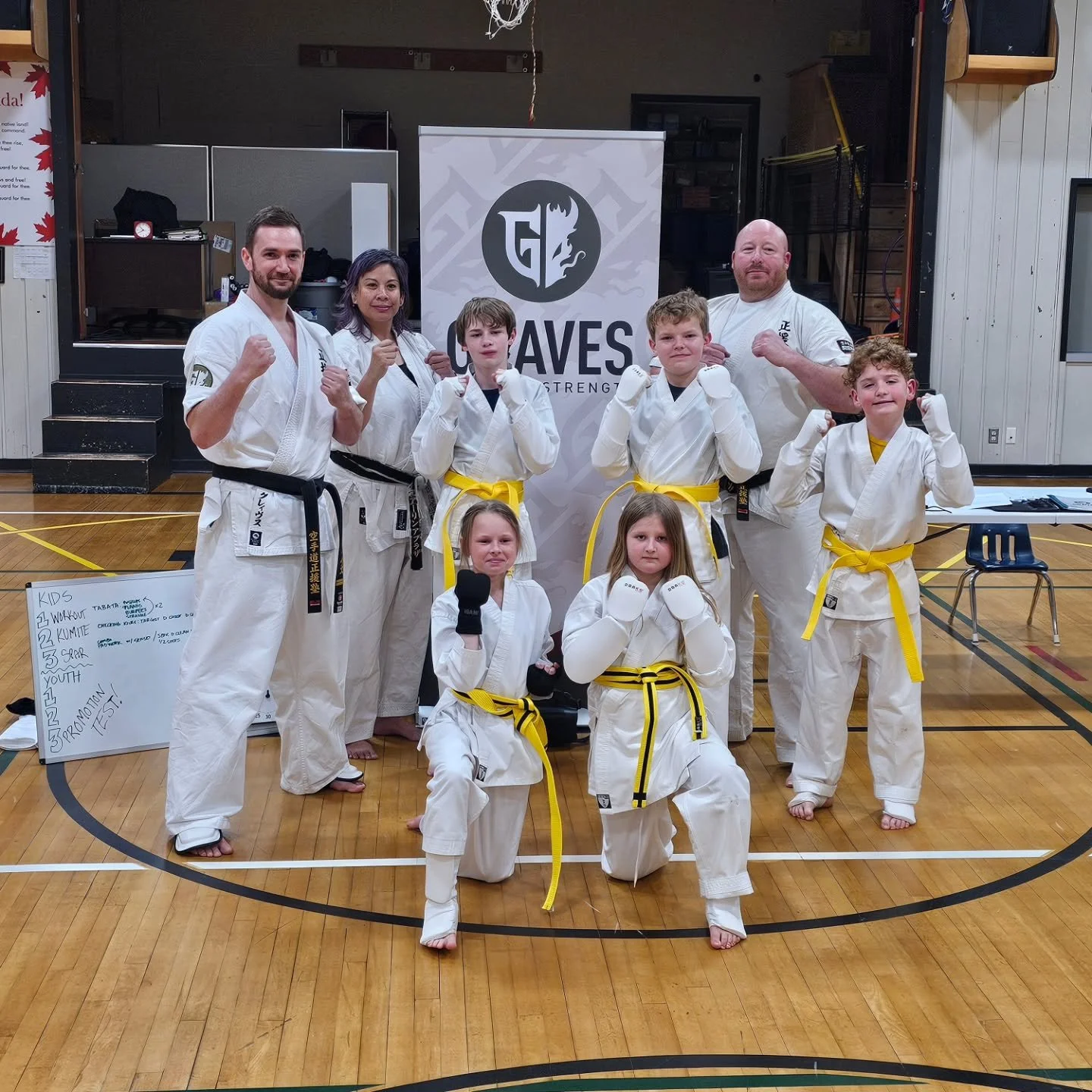
While adult and teen training can get pretty intense, we focus on fun and functional movements for kids classes, with a motivating atmosphere filled with lots of music, ki-ais and laughter to ensure kids stay interested, while still absorbing the principals of a practical and complex martial art.
Sensei Nick holds a third-degree black belt in Seienjuku Karate
Kobudo (Weapons)
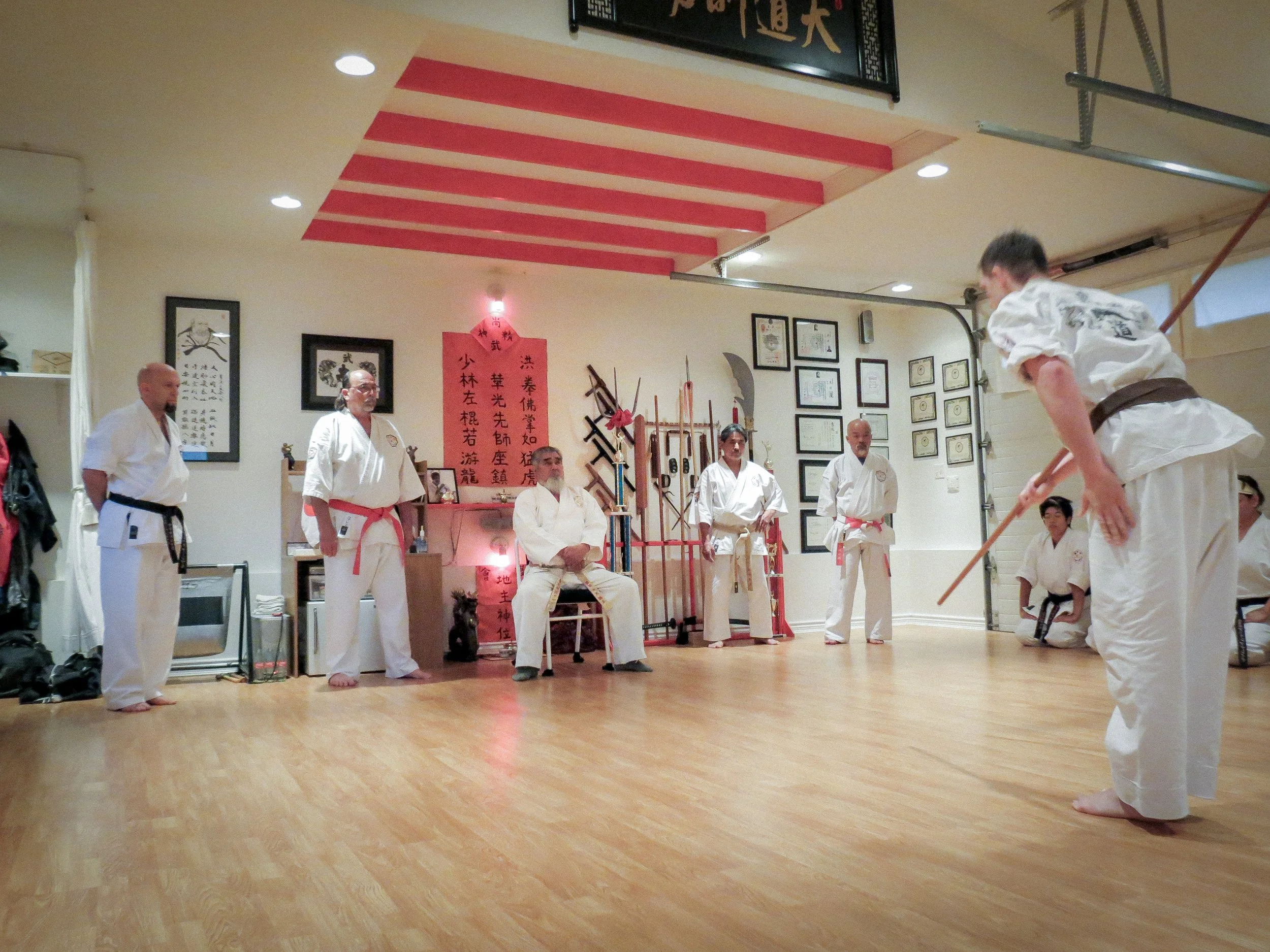
Okinawan Ryukyu Kobudo
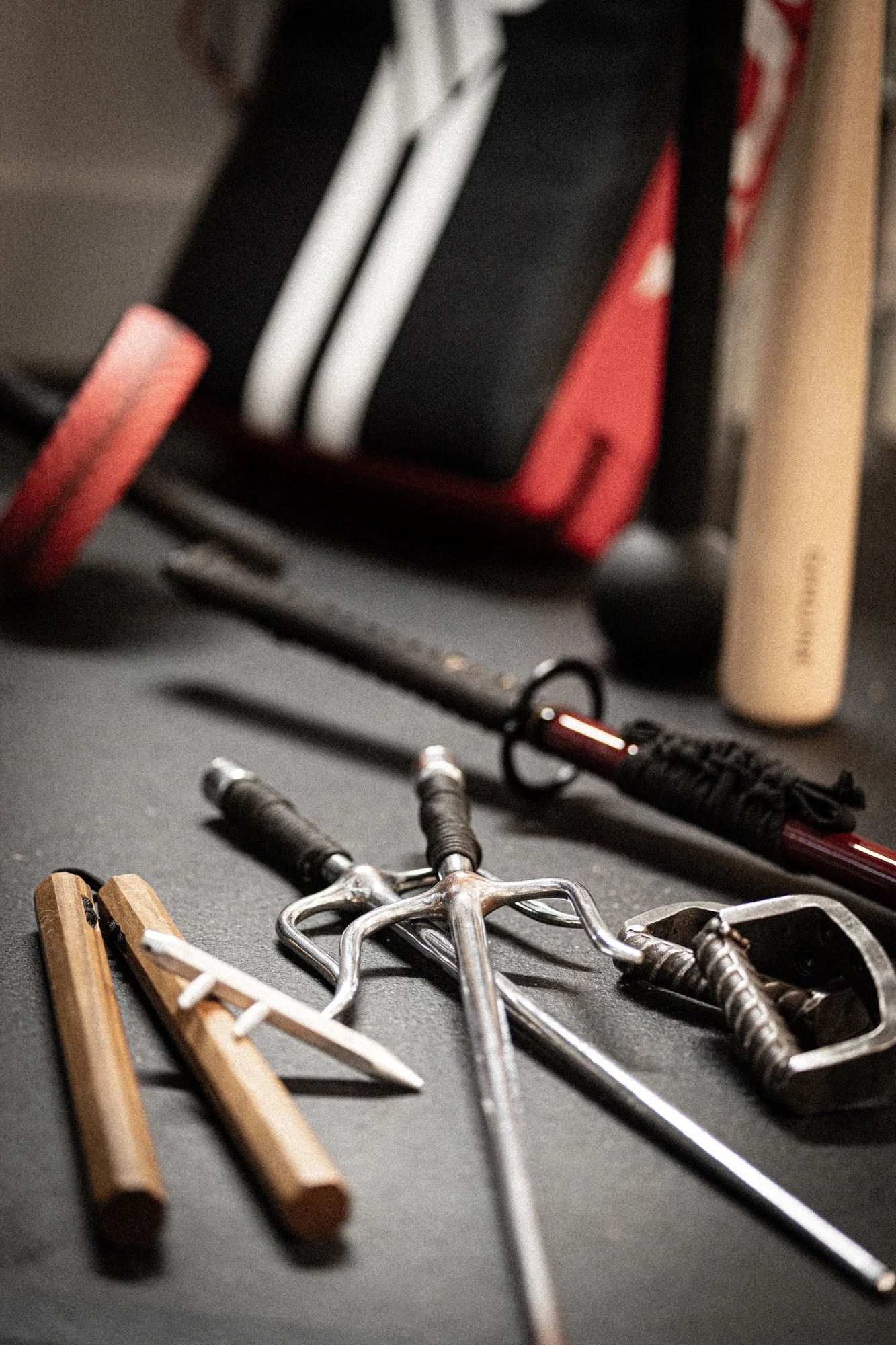
Originating in the Ryukyu kingdom south of Japan in the islands now known as Okinawa, this weapons system evolved in response to colonization of the islands by Japan, who banned the use of weapons. Martial artists went underground and began using farm implements to continue their training in secret. These implements are what we now commonly know as nunchaku, tonfa, tekko and bo.
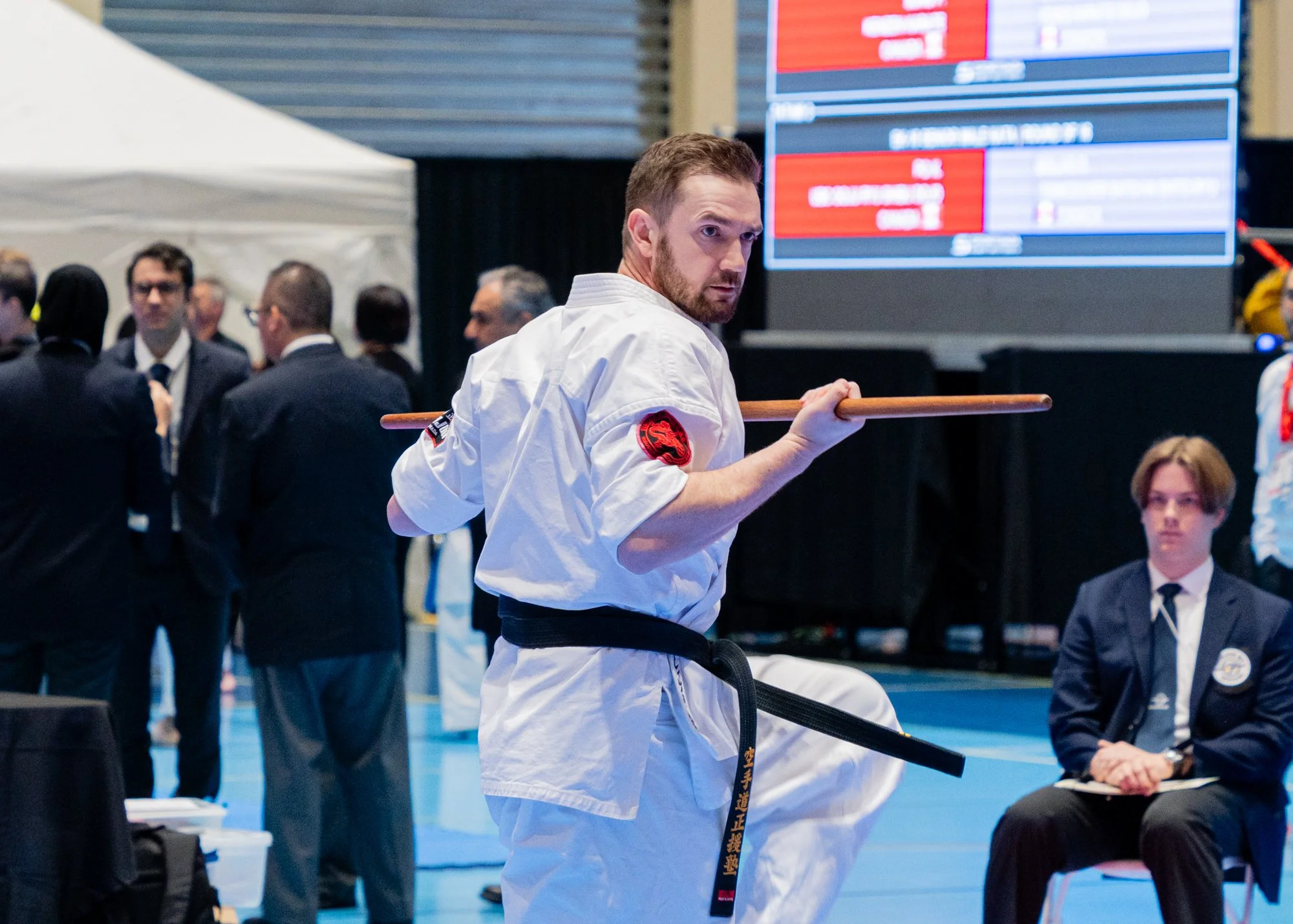
We teach a holistic form of kobudo under Hanshi Masanobu Kikukawa and the Kokusai Ryukyu Kobudo Hozon Kyokai (International Ryukyu Kobudo Hozon Association). Training is focused on practical, traditional forms and partner drills that emphasize power, application and practicality over looks.
Sensei Nick holds a second-degree black belt in Ryukyu Kobudo
Japanese Jujitsu
Daito-Ryu Aiki Jujitsu
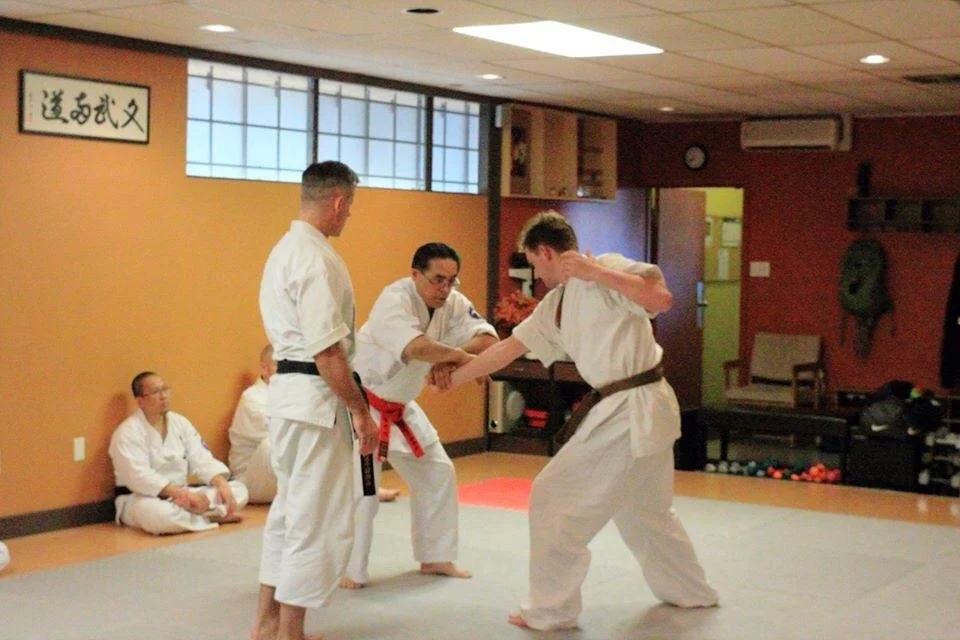
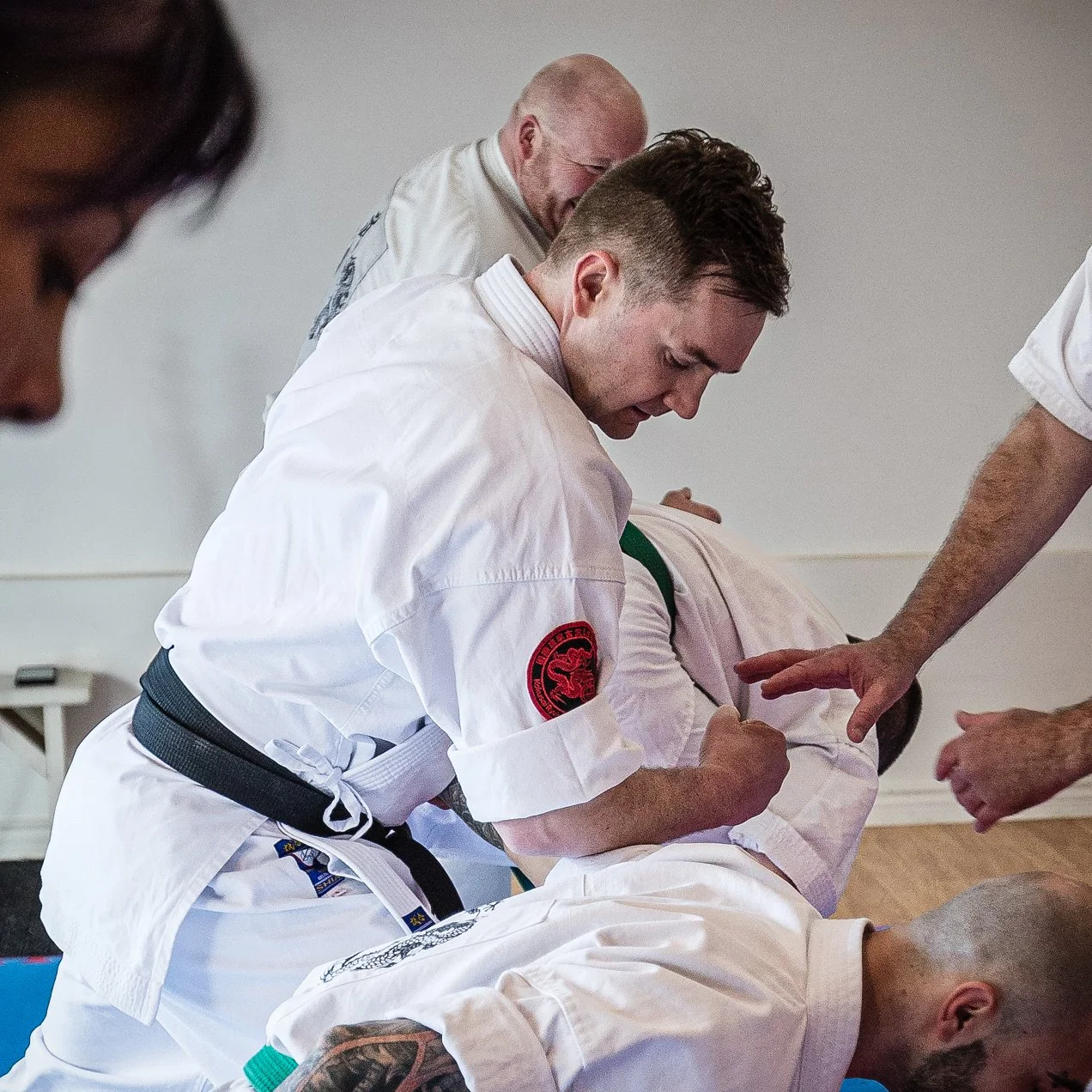
Daito-ryu aiki jujitsu is the final piece that rounds out our curriculum. This form of jujitsu is not what you might expect; it combines practical applications from judo and aikido enabling a practitioner to upset their opponents balance and gain the upper hand in any situation. Employing a variety of joint locks, pressure points and grip releases, this style is focused on self-defense rather than sport competition.
We teach under supervision from Hanshi Masanobu Kikukawa and the Daiwa Ryu Aiki Jujitsu Higa-Ha Koubukan kyokai association.
Sensei Nick holds a first-degree black belt in Japanese Jujitsu
Our Lineage.
The styles of Japanese martial arts that we teach can be traced back over 300 years to karate’s first introduction to Okinawa from China in the 1700s.
Every instructor along the way has added their own ideas, gradually evolving the art into what it is today.
Follow Us On Social.